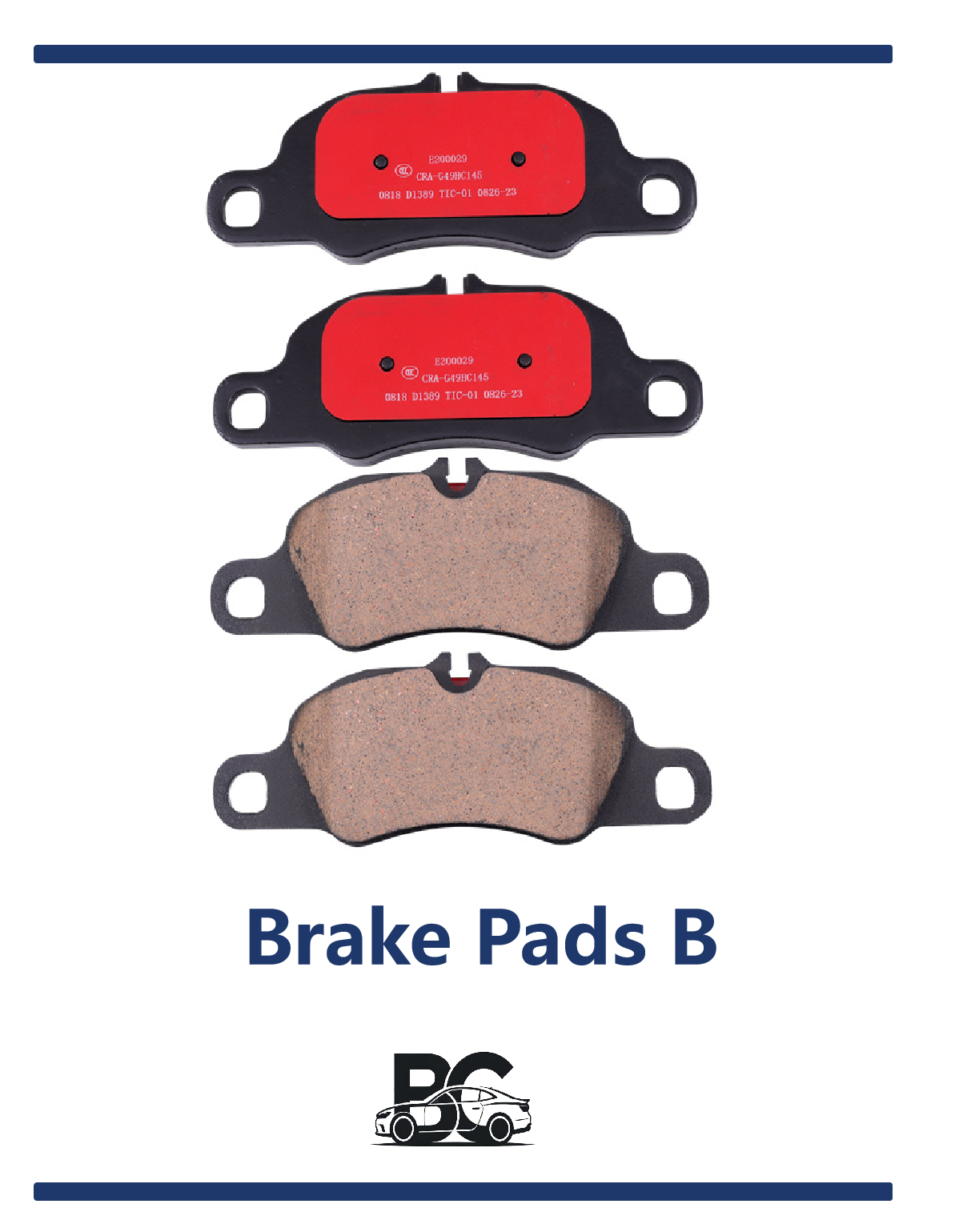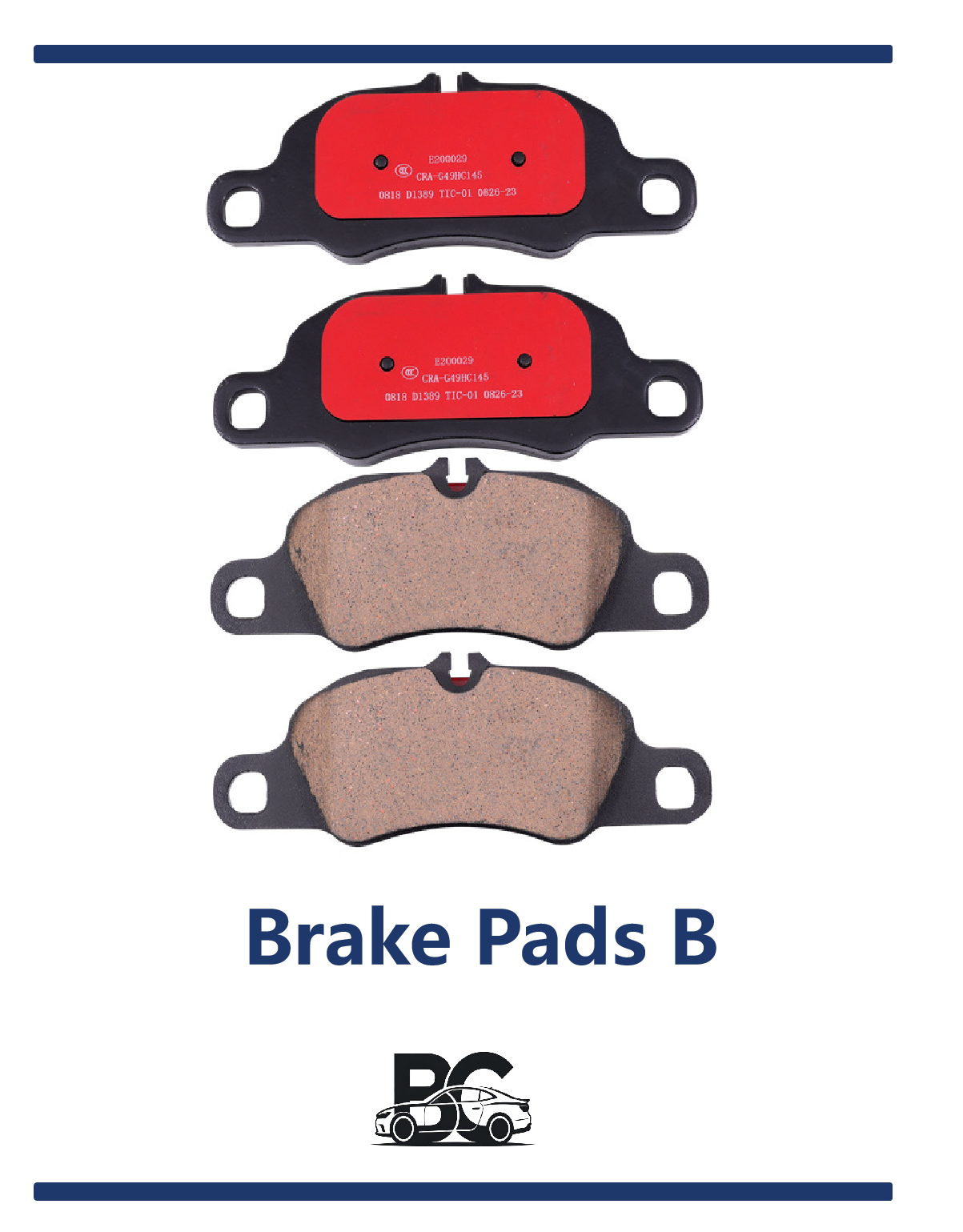

Brake pads, also called brake pads, are the key safety components in a car's braking system. Brake pads play a decisive role in the quality of all braking effects. Brake pads are generally composed of steel plates, bonded heat insulation layers, and friction blocks. The heat insulation layer is made of materials that do not transfer heat for insulation purposes; the friction blocks are made of friction materials and adhesives, which are squeezed during braking. Friction is generated on the brake disc and brake drum, thereby achieving the purpose of vehicle deceleration and braking.
The brake pad is a key safety component in the automobile brake system. Its performance is directly related to the braking effect of the automobile, and therefore, closely related to the safety of the automobile. Thus, daily maintenance of the brake pads is particularly important. During daily inspection and maintenance, focus on the following aspects:
① Under normal driving conditions, check the brake shoes every 5,000 kilometers. This includes checking the remaining thickness, the wear status of the brake pads, whether the wear on both sides is even, and if they return freely. Any abnormal situations must be addressed immediately.
② Do not wait until the friction material is completely worn out before replacing the brake shoes. For example, the front brake shoe of a Jetta car has an original thickness of 14mm, with a replacement limit thickness of 7mm. This limit includes the thickness of the iron liner (over 3mm) and the friction material (nearly 4mm). Some vehicles have a brake shoe warning function. Once the wear limit is reached, the instrument will sound an alarm to prompt replacement. Brake pads that have reached their usage limit must be replaced. Even if they can be used for a while longer, they will reduce braking effectiveness and compromise driving safety.
③ When replacing, use brake pads provided by the original spare parts manufacturer. Only in this way can the braking effect between the brake pads and the brake disc be optimal, and wear minimized.
④ When replacing brake pads, special tools must be used to push back the brake cylinder. It is not permissible to use other crowbars to press back forcefully, as this can easily cause the brake caliper guide screw to bend and lead to brake pad jamming.
⑤ After replacing the brake pads, be sure to step on the brake pedal a few times to eliminate the gap between the brake shoe and the brake disc. This prevents the first application of the brakes from being ineffective, which can lead to accidents.
⑥ After the brake pads are replaced, they need to be run in for 200 kilometers to achieve the best braking effect. The newly replaced brake pads must be driven carefully.